Best Parks and Outdoor Activities in Queens NY: A Complete Guide

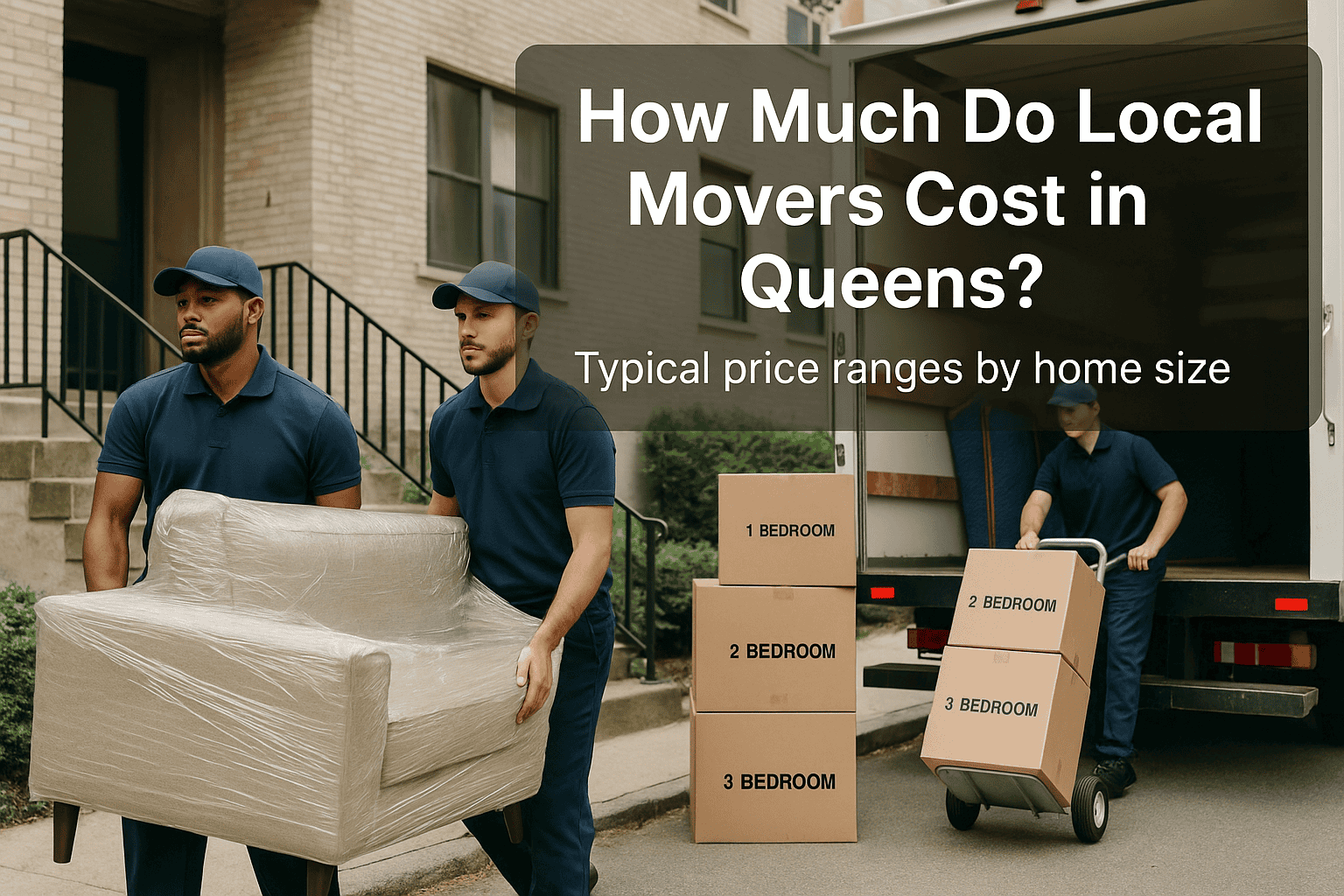
Queens movers carrying a wrapped sofa down an apartment stairway with a visible wall clock to show how long a local move can take.

TLDR: Queens NY has more parkland per capita than most people expect — from the vast Flushing Meadows–Corona Park and Jamaica Bay Wildlife Refuge to neighborhood gems like Kissena Park and Fort Totten. This guide covers the best parks and outdoor activities for Queens residents of all ages and interests.

Moving Companies Queens NY — Your Guide to Getting Outside

One of the first things people discover after moving to Queens is how much green space the borough actually has. Despite being part of New York City, Queens has over 7,000 acres of parkland, miles of waterfront, and outdoor recreation options that rival any urban area in the country. Here’s your guide from Moving Companies Queens.

What Is Your Favorite Park in Queens?

Queens residents consistently name Flushing Meadows–Corona Park as their top pick — it’s massive (897 acres), historically significant, and packed with amenities. Close runners-up include Rockaway Beach, Jamaica Bay Wildlife Refuge for nature lovers, and Kissena Park in Flushing for a quiet neighborhood escape. The choice often comes down to what you’re looking for: a workout, a picnic, birdwatching, or a run.

Flushing Meadows–Corona Park — Queens’ Central Park

At 897 acres, Flushing Meadows–Corona Park is one of New York City’s largest parks and the crown jewel of Queens outdoor space. It offers: the iconic Unisphere, walking and cycling paths, a boating lake, an ice skating rink, baseball and soccer fields, the Queens Museum, the New York Hall of Science, the Queens Zoo, and direct access to Citi Field and the USTA Tennis Center. For families especially, a full day here barely scratches the surface.

What Are the Best Spots in Queens for Outdoor Activities?

Here are the top outdoor spots in Queens broken down by activity type:

  • Running and cycling: Flushing Meadows–Corona Park, Forest Park (Woodhaven), Alley Pond Park
  • Swimming and beach: Rockaway Beach (A train accessible), Jacob Riis Park
  • Birdwatching and nature: Jamaica Bay Wildlife Refuge, Alley Pond Environmental Center
  • Kayaking and water sports: Hallets Cove in Astoria, Rockaway Beach
  • Family picnics: Kissena Park, Cunningham Park, Astoria Park
  • Tennis: USTA Billie Jean King National Tennis Center public courts, Flushing Meadows

What Do People in Queens Like to Do When the Weather Is Nice?

On warm days, Queens residents head to: Rockaway Beach for the ocean and boardwalk, Astoria Park for East River views and the swimming pool, Flushing Meadows for cycling and picnics, Cunningham Park in Fresh Meadows for tennis and trails, and Fort Totten in Bayside for waterfront views and historic grounds. The Queens Night Market also draws huge crowds on warm spring and summer evenings.

Astoria Park — Waterfront Gem in Western Queens

Astoria Park sits along the East River under the Triborough and Hell Gate bridges — one of the most dramatic waterfront settings in New York City. The park features New York City’s largest public outdoor pool (free with NYC Parks membership in summer), running paths, athletic fields, and spectacular views of the Manhattan skyline. It’s a five-minute walk from the N/W train at Astoria–Ditmars Boulevard.

Jamaica Bay Wildlife Refuge — Nature Within the City

The Jamaica Bay Wildlife Refuge in Broad Channel is one of the great urban wildlife secrets in America. Part of Gateway National Recreation Area (National Park Service), it encompasses 9,155 acres of wetlands, two main walking loops, and more than 330 documented bird species. It’s accessible by the A/S trains to Broad Channel station — making it the only national park wildlife refuge reachable by subway in the US.

Rockaway Beach — Queens’ Ocean Escape

Rockaway Beach is the only ocean beach accessible by New York City subway (the A train). Stretching across the Rockaway Peninsula, it offers miles of Atlantic Ocean beachfront, a vibrant boardwalk, surf breaks at 90th Street, and a growing food and bar scene that has made the “Rockaways” a destination for all five boroughs. In summer, the A train runs express beach service from the city — making a Queens ocean day trip accessible to everyone.

Forest Park — Woodhaven’s Natural Treasure

Forest Park in Woodhaven and Richmond Hill is one of Queens’ most underrated outdoor destinations. Covering 538 acres, it features miles of hiking and horse trails through authentic deciduous forest — a rare experience within New York City limits. The park has a carousel (restored historic amusement), a bandshell for outdoor concerts, golf course, and trail systems used by runners and mountain bikers year-round.

Alley Pond Park — Queens’ Largest Natural Area

Alley Pond Park in Bayside/Douglaston is Queens’ largest park at 655 acres. It contains the Alley Pond Environmental Center, freshwater ponds, tidal wetlands, and the oldest living thing in New York City — a 350+-year-old tulip tree known as the Alley Pond Giant. The park’s network of trails winds through salt marshes, upland forest, and grassland, making it a genuine ecological treasure in the heart of the city.


POV: Queens Outdoor Life Is Better Than Most People Think

The persistent myth about Queens — and New York City broadly — is that it lacks outdoor space. It’s simply not true. Queens has ocean beaches, wildlife refuges, forests, river waterfronts, and a park system that would be the envy of cities twice its size. The difference is that Queens residents have to be intentional about seeking out these spaces — they don’t advertise themselves the way Times Square does. But for anyone willing to take the A train to the Rockaways, ride a bike through Flushing Meadows, or walk the trails at Alley Pond, Queens outdoor life is genuinely extraordinary.


Frequently Asked Questions: Parks and Outdoor Activities in Queens NY

Is Rockaway Beach in Queens safe?

Rockaway Beach is a lifeguard-supervised NYC beach that is generally safe during beach season (Memorial Day through Labor Day). Swim only in designated areas when lifeguards are on duty, and be aware of surf conditions — rip currents can occur on the Atlantic-facing beaches.

Can you bring dogs to parks in Queens?

Yes, most Queens parks allow leashed dogs. Several parks also have designated off-leash dog areas (DOLA) during specific morning and evening hours. Check the NYC Parks website for specific rules by park.

What is the best park in Queens for kids?

Flushing Meadows–Corona Park is the top family destination — with the Queens Zoo, New York Hall of Science, playground areas, and the boating lake. For beach days with kids, Jacob Riis Park and Rockaway Beach are excellent choices.

Are there hiking trails in Queens NY?

Yes — Forest Park, Alley Pond Park, and Jamaica Bay Wildlife Refuge all have marked hiking trails ranging from easy walks to more challenging multi-mile routes through natural terrain.

What outdoor events happen in Queens parks?

Queens parks host dozens of seasonal events — the Queens Night Market at the Hall of Science, free concerts at the Flushing Meadows bandshell, the Astoria Park summer pool season, tennis tournaments at the USTA, and annual cultural festivals tied to the borough’s diverse communities throughout the year.

Famous People from Queens NY: The Borough’s Most Celebrated Legends

Two movers loading furniture and boxes into a moving van, showcasing long distance moving services in Queens. Big Mike's Moving Companies Queens logo prominently displayed, emphasizing professional relocation assistance.

TLDR: Queens NY has produced some of the most influential people in American history — from presidents and politicians to rap icons, athletes, actors, and artists. Moving to Queens means joining a borough with an extraordinary cultural legacy. Here’s a look at the famous figures who came from these streets.

Moving Companies Queens NY — A Borough of Legends

When people ask us at Moving Companies Queens what makes the borough special, the answer goes far beyond food and transit. Queens has shaped American culture in ways most people don’t fully appreciate until they dig into the list of people who grew up here. From the birthplace of hip-hop to the roots of American jazz, Queens has always been where American greatness quietly incubated.

What Celebrity Is from Queens NY?

Queens has produced an extraordinary number of celebrities across entertainment, sports, and politics. Some of the most famous include: LL Cool J, 50 Cent, Nas, Nicki Minaj, Run-DMC, Fat Joe, Action Bronson (music); Ray Romano, Jerry Seinfeld, Paul Simon (entertainment); Fran Drescher, Tony Sirico (acting); and Donald Trump (Jamaican Estates, Queens). The borough’s creative output in music and entertainment is genuinely unmatched.

Why Is Queens NY Famous?

Queens is famous for its extraordinary diversity (over 160 languages spoken), its role in the development of hip-hop and jazz, its world-class food scene, JFK Airport, the US Open tennis tournament, the New York Mets, the 1939 and 1964 World’s Fairs, and for being the most ethnically diverse urban area in the world according to multiple demographic studies.

Famous Musicians from Queens NY

Queens has an extraordinary musical legacy. Hip-hop was nurtured and defined in significant part by Queens artists. Notable musicians from the borough include:

  • LL Cool J — One of hip-hop’s founding fathers, grew up in St. Albans and Hollis.
  • Run-DMC — Darryl McDaniels (DMC) grew up in Hollis, Queens.
  • Nas — Grew up in the Queensbridge Houses in Long Island City, one of the most storied housing projects in rap history.
  • 50 Cent — South Jamaica, Queens.
  • Nicki Minaj — Grew up in South Jamaica, Queens.
  • Action Bronson — Flushing, Queens.
  • Paul Simon — Forest Hills, Queens (also attended Forest Hills High School with Art Garfunkel).
  • Lena Horne — Jazz and blues legend, born in Brownsville but strongly associated with Queens.

Famous Athletes from Queens NY

Queens has produced exceptional athletic talent across multiple sports. Among the most notable:

  • John McEnroe — Tennis legend, grew up in Douglaston, Queens. Trained at the Port Washington Tennis Academy.
  • Alex “A-Rod” Rodriguez — Major League Baseball star, grew up in Washington Heights but spent formative years in Queens.
  • Mookie Wilson — Iconic New York Mets outfielder, played his career in Queens.
  • Vince Lombardi — Football coaching legend, born in Brooklyn but grew up in Queens.

Famous Actors and Entertainers from Queens NY

Queens has produced a remarkable number of entertainers who shaped American pop culture:

  • Ray Romano — Stand-up comedian and star of Everybody Loves Raymond, grew up in Forest Hills.
  • Jerry Seinfeld — Born in Brooklyn but raised in Massapequa, with deep Queens connections.
  • Fran Drescher — Star of The Nanny, born and raised in Flushing, Queens.
  • Tony Sirico — Beloved as Paulie Walnuts on The Sopranos, grew up in Bensonhurst with Queens ties.
  • Archie Bunker — The fictional but iconic TV character from All in the Family lived in Astoria, Queens, making the neighborhood famous worldwide.

Famous People Who Lived in Bayside Queens

Bayside, Queens has been home to numerous notable figures over the years, including comedian and filmmaker Mel Brooks, former NYC Mayor Ed Koch, and several notable local politicians and educators. Bayside’s relative affluence and suburban character attracted many families seeking stability within the city.

Queens’ Contribution to Hip-Hop Culture

Queens is integral to hip-hop history. The Queensbridge Houses in Long Island City — the largest public housing project in North America — produced Nas and Mobb Deep. Hollis, Queens gave the world LL Cool J and Run-DMC. Southside Jamaica produced 50 Cent and Nicki Minaj. The Queens sound — lyrically dense, story-driven, streetwise — became one of the defining voices of the genre. The borough’s contribution to hip-hop culture is commemorated in documentaries, academic texts, and the hearts of millions of fans worldwide.


POV: Why Queens Produces Excellence

Having moved hundreds of families and professionals into Queens, I’ve developed a theory about why the borough produces so much remarkable talent: it demands creativity, resilience, and cultural fluency in a way few places do. Growing up speaking three languages, navigating dozens of micro-cultures in a single neighborhood, and building community in one of the world’s most densely diverse places creates a kind of human excellence. The famous people who came from Queens weren’t just lucky — they were shaped by one of the most extraordinary environments a person can grow up in.


Frequently Asked Questions: Famous People from Queens NY

What rapper is originally from Queens NY?

Queens has produced numerous legendary rappers including LL Cool J, Nas, 50 Cent, Nicki Minaj, and members of Run-DMC — making it one of the most influential boroughs in hip-hop history.

Is Queens considered a rich part of NYC?

Queens has significant economic diversity. Neighborhoods like Forest Hills, Bayside, Douglaston, and Kew Gardens have above-average household incomes, while other areas are predominantly working-class. Overall, Queens has a median household income close to the NYC average.

What president is from Queens NY?

Donald Trump was born and raised in Jamaica Estates, Queens. He is the most famous political figure to emerge from the borough and attended local schools before leaving for university.

What famous TV show was set in Queens NY?

All in the Family, featuring the fictional Bunker family in Astoria, Queens, is one of the most famous Queens-set shows. King of Queens (Flushing) and Everybody Loves Raymond (loosely set in Queens) also featured the borough prominently.

Are there any streets or memorials in Queens named after famous residents?

Yes — several streets, parks, and public spaces in Queens honor notable residents and figures, including Louis Armstrong Park in Corona (where the jazz legend lived), and various co-namings of streets and institutions across the borough.

Best Restaurants in Queens NY: A Neighborhood-by-Neighborhood Food Guide

Best Movers Queens

TLDR: Queens NY has arguably the most diverse and authentic food scene of any urban area in the world. From hand-pulled noodles in Flushing to moussaka in Astoria to birria tacos in Jackson Heights, eating your way through Queens is an adventure that takes years — and every bite is worth it. Here’s a neighborhood-by-neighborhood guide to the best food Queens has to offer.

Moving Companies Queens NY — Eat Your Way Around the Borough

One of the best things about moving to Queens with Moving Companies Queens is what you gain access to the moment the truck pulls away: arguably the best restaurant scene in New York City. Here’s your introduction to the culinary landscape of the borough you now call home.

What Is Queens NY Famous for Food?

Queens is internationally famous for: authentic Chinese cuisine (particularly Sichuan, Cantonese, and Shanghainese) in Flushing; Greek food in Astoria; South Asian (Indian, Bangladeshi, Pakistani) food in Jackson Heights; Colombian, Mexican, and Ecuadorian food in Woodside and Jackson Heights; Korean food in Flushing and Bayside; and the Queens Night Market, which brings food from dozens of countries into one outdoor market.

What Are the Best Restaurants in Astoria Queens?

Astoria is Queens’ most celebrated dining neighborhood. Greek food is the headliner — the area around 31st Street and Ditmars Boulevard is packed with tavernas and bakeries serving spanakopita, whole fish, and baklava. Beyond Greek food, Astoria’s restaurant scene has expanded to include excellent Italian, Japanese ramen, Egyptian street food, and some of the best brunch spots in the borough. The area’s density of quality options makes Astoria a dining destination in its own right.

What to Eat in Flushing Queens?

Flushing’s food scene is extraordinary in depth. The underground food courts at the New World Mall and Flushing Mall contain dozens of stalls serving hand-pulled noodles, dumplings, scallion pancakes, and regional Chinese cuisines from provinces most Western diners have never encountered. Beyond the food courts: Taiwanese bubble tea on every corner, Korean BBQ restaurants along Northern Boulevard, and some of the city’s best Sichuan food in the surrounding blocks.

How to Spend a Day in Flushing Queens Eating?

Start with a dim sum breakfast at one of the large Cantonese restaurants on Main Street. Mid-morning, explore the New World Mall food court for Taiwanese street snacks and fresh-squeezed juice. Lunch on hand-pulled beef noodles or soup dumplings (xiao long bao). Afternoon stop at a bubble tea shop. Dinner at a Sichuan restaurant known for its mapo tofu and spicy fish. Finish with Hong Kong-style egg waffles for dessert. Budget $40–$60 for the entire day.

Jackson Heights: The Food Capital of Queens

Jackson Heights — specifically the stretch of 74th Street and Roosevelt Avenue — is one of the most remarkable food corridors in the world. In a single block you can find: Bangladeshi curries, Nepali dumplings (momos), Mexican tacos, Colombian arepas, Ecuadorian ceviche, and Tibetan noodle soups. The diversity isn’t just in variety — it’s in authenticity. This is food made by and for immigrant communities who have recreated the flavors of their homelands in Queens.

Best Food in Forest Hills Queens

Forest Hills offers a more curated dining experience — elegant Italian restaurants, brunch spots, wine bars, and a thriving café culture centered around Austin Street. The neighborhood has seen an influx of quality independent restaurants and the closure of many chains, creating a local dining scene with genuine character. Perfect for a leisurely weekend lunch or a neighborhood date night.

What Is the Queens Night Market?

The Queens Night Market is a seasonal open-air food market held at the New York Hall of Science in Flushing Meadows–Corona Park. It features 70–100 food vendors each week representing cuisines from dozens of countries — all with items priced at $5 or less. Live music, friendly crowds, and an atmosphere that feels like a neighborhood block party make it one of the most beloved community events in Queens.

Food Recommendations for Tourists and Newcomers to Queens

If you’re new to Queens and want to start exploring the food scene, here’s a practical guide:

  • First stop: Flushing Main Street food courts for authentic Chinese food.
  • Greek fix: Astoria, any taverna on or near 31st Street.
  • South Asian: Jackson Heights, 74th Street between Roosevelt and 37th Avenue.
  • Caribbean: Jamaica or South Ozone Park for Jamaican patties and roti.
  • Market day: Queens Night Market (spring–fall, weekends).

Is Flushing Queens Worth Visiting for Food?

Flushing is one of the most rewarding food destinations in the entire United States for anyone who loves Chinese, Korean, or Taiwanese cuisines. Many of New York City’s most knowledgeable food writers and chefs regularly travel to Flushing for meals they describe as among the best they’ve had anywhere. For residents who’ve just moved to Queens, Flushing is the first great discovery.


POV: Why Queens Food Is Unlike Anything Else in America

I’ve eaten in great cities around the world, and I’ve never found a food scene quite like Queens. What makes it unique isn’t just diversity — it’s the authenticity that comes from immigrant communities cooking for each other, not for tourists. When a family from Hunan runs a noodle stall in Flushing, they’re cooking the way their grandmothers taught them, using ingredients sourced from local Asian markets. That level of culinary authenticity is almost impossible to find outside of the regions themselves. As a new Queens resident, you have free access to this extraordinary culinary world every single day — take full advantage.


Frequently Asked Questions: Best Restaurants in Queens NY

What cuisine is Queens NY most famous for?

Chinese food in Flushing and Greek food in Astoria are the two most internationally recognized Queens culinary traditions, though the borough’s South Asian (Jackson Heights) and Latin American food scenes are equally extraordinary.

Is the food in Queens NYC affordable?

Generally yes — Queens is significantly more affordable than comparable restaurants in Manhattan. In Flushing’s food courts and Jackson Heights, you can eat exceptional meals for $8–$15. Astoria’s Greek restaurants are mid-priced; Long Island City has more upscale options.

What is the best area in Queens for eating out?

Flushing for Chinese and Korean, Astoria for Greek and Mediterranean, and Jackson Heights for South Asian and Latin American. Each offers a distinctly different culinary experience and all are accessible by subway.

Are there fine dining options in Queens NY?

Yes — Long Island City and Forest Hills both have excellent upscale dining options. Alewife, Casa Enrique (Michelin-starred Mexican), and Studio Square are among the higher-end options in the borough.

What are the must-try foods when visiting Flushing Queens?

Must-try items in Flushing: xiao long bao (soup dumplings), hand-pulled beef noodles, scallion pancakes, mapo tofu, Taiwanese egg waffles, and fresh taro milk tea. Budget $25–$40 for a thorough Flushing food crawl.

Top Attractions in Queens NY: A New Resident’s Guide to Exploring the Borough

Aerial view of residential buildings with red-roofed apartments surrounded by greenery, showcasing a suburban neighborhood with a city skyline in the background during sunset.

TLDR: Queens NY is one of the most culturally rich boroughs in New York City — home to world-class museums, incredible parks, international food markets, historic stadiums, and some of the most diverse neighborhoods on the planet. If you’re new to Queens or just moved here, this guide covers the top attractions worth exploring.

Moving Companies Queens NY — Welcome to the World’s Borough

At Moving Companies Queens, we help people settle into the borough every day — and one of the first things we tell new residents is: explore. Queens is extraordinary. With over 2.3 million residents speaking more than 130 languages, it’s one of the most diverse places on Earth. Here are the top attractions that make life in Queens truly special.

What Is Queens NY Famous For?

Queens is famous for several things: the US Open (tennis), Flushing Meadows–Corona Park (site of two World’s Fairs), JFK International Airport, the diversity of its food scene, the New York Mets at Citi Field, LGBTQ+ history in Jackson Heights, the Noguchi Museum, and being the birthplace of some of America’s most iconic musicians, athletes, and politicians.

Is Queens NY Worth Visiting?

Absolutely — especially for food, culture, and authentic New York neighborhoods. Many travel writers now describe Queens as the most interesting borough for visitors who want to experience the real, diverse, working-class heart of New York. The tourist trap intensity of Manhattan is absent in Queens; what you find instead is genuine neighborhood life.

How to Spend One Day in Queens NY

A perfect day in Queens might look like: Start in Flushing for dim sum breakfast on Main Street, visit the USTA Billie Jean King National Tennis Center, walk through Flushing Meadows–Corona Park including the Unisphere, head to Jackson Heights for an afternoon of South Asian and Latin food exploration, then end the evening in Astoria at a Greek restaurant on Ditmars or 31st Street.

Flushing Meadows–Corona Park

Flushing Meadows–Corona Park is the largest park in Queens and the fourth-largest in NYC. It’s home to: the iconic Unisphere (a 12-story steel globe), the Queens Museum, the New York Hall of Science, Citi Field (Mets stadium), the USTA Billie Jean King National Tennis Center, an ice skating rink, boating lake, and miles of walking and cycling paths. It hosted the 1939 and 1964 World’s Fairs and remains a civic gathering place for Queens residents.

The Noguchi Museum — Long Island City

The Noguchi Museum in Long Island City is one of the finest artist-designed museums in the world. Located in a converted factory, it showcases the life work of sculptor Isamu Noguchi across indoor galleries and a beautiful outdoor sculpture garden. It’s a must-visit for anyone interested in modern art, Japanese-American culture, or just an extraordinarily peaceful afternoon in Queens.

Citi Field — Home of the New York Mets

Citi Field in Flushing is home to the New York Mets MLB franchise. The stadium opened in 2009 and offers a spectacular fan experience with diverse food options, great sightlines, and a location easily accessible by the 7 train. Game days bring a festive atmosphere to the entire Flushing neighborhood — a must-experience for any sports fan who moves to Queens.

MoMA PS1 — Contemporary Art in Long Island City

MoMA PS1 is one of the oldest and largest contemporary art institutions in the US. Located in a converted 19th-century schoolhouse in Long Island City, it focuses on experimental and cutting-edge work not typically shown in mainstream art museums. It’s affiliated with MoMA Manhattan, and admission is free with a MoMA membership. The WarmUp summer DJ series in the PS1 courtyard is a beloved Queens cultural institution.

Is There Anything Cool to Do in Queens?

Queens has some of the best “cool” experiences in all of NYC. Highlights include: exploring the alleyways of Flushing’s underground food courts, the Louis Armstrong House Museum in Corona, the Jamaica Bay Wildlife Refuge in Broad Channel (accessible by subway!), the Rockaway Beach boardwalk, Queens Night Market, and the Forest Hills Gardens architectural tour. There is genuinely something for everyone.

Queens Night Market — Seasonal Must-Visit

The Queens Night Market, held at the New York Hall of Science grounds in Flushing Meadows, is a beloved seasonal event featuring food from dozens of countries represented in the Queens community. With $5 or less food items, live music, and a festive atmosphere, it perfectly encapsulates what makes Queens unique among all American cities. Typically runs from spring through fall.

Jamaica Bay Wildlife Refuge — Nature in Queens

The Jamaica Bay Wildlife Refuge is part of Gateway National Recreation Area, managed by the National Park Service — and it’s accessible by subway (A/S trains to Broad Channel). This protected wetland complex offers hiking trails, birdwatching (over 330 species documented), and breathtaking bay views. It’s one of New York City’s best-kept natural secrets and a remarkable resource for Queens residents seeking green space.


POV: Why Living in Queens Means Never Running Out of Things to Discover

After years of moving people into and around Queens, I can tell you: the most common thing long-time residents say is “I can’t believe I haven’t been to that yet.” Queens is enormous — 178 square miles — and its cultural and culinary offerings are so deep that even lifelong residents continue discovering new neighborhoods, restaurants, and experiences. When you move to Queens with our team, we’re not just moving your boxes — we’re welcoming you to one of the most extraordinary places in the world.


Frequently Asked Questions: Top Attractions in Queens NY

Is there free parking at Queens attractions?

Most major Queens attractions — Flushing Meadows, Citi Field, MoMA PS1 — have limited or paid parking. Taking the 7 train, the subway, or the LIRR is almost always the most convenient option for reaching major Queens destinations.

What is the best time of year to visit Queens?

Late spring (May–June) and early fall (September–October) offer the best weather for outdoor attractions, parks, and the Queens Night Market. Summer brings the US Open and more outdoor events but also heat and humidity.

Is the Queens Museum free?

The Queens Museum operates on a suggested admission model — visitors are encouraged but not required to pay. It’s one of NYC’s most accessible cultural institutions for families and budget-conscious visitors.

Can I visit multiple Queens attractions in one day?

Absolutely. The 7 train connects Long Island City, Jackson Heights, and Flushing in one line — making it easy to visit multiple neighborhoods and attractions in a single day without a car.

What Queens attraction is best for families with kids?

The New York Hall of Science (interactive science museum), the Queens Zoo, and the Queens Botanical Garden are all excellent family-friendly options in Flushing Meadows–Corona Park, making the area a great full-day family outing.

Packing Tips for Moving in Queens NY: How to Pack Like a Professional

Packing Supplies

TLDR: Efficient packing is one of the biggest factors in a smooth Queens NY move. Start early, work room by room, invest in the right materials, and know when to call in professionals. This guide covers every packing strategy you need for a Queens apartment or house move.

Moving Companies Queens NY — Pack Smart, Move Faster

Packing is where most Queens moves either gain momentum or fall apart. Poor packing leads to damaged items, wasted space in the truck, and a chaotic unpacking experience at the other end. Our professional packing team at Moving Companies Queens can handle the entire process — or use this guide to tackle it yourself with confidence.

How Far in Advance Should I Start Packing for a Queens Move?

Start packing non-essential items 4–6 weeks before your move date. A practical room-by-room timeline:

  • 6 weeks out: Storage closets, seasonal clothing, books, collectibles, and décor you won’t need before the move.
  • 4 weeks out: Guest room, home office non-essentials, media and entertainment items.
  • 2 weeks out: Extra linens, non-daily clothing, most of the living room.
  • Final 48–72 hours: Kitchen essentials, bathrooms, bedroom basics, daily-use items.

Is It Better to Put Clothes in Bags or Boxes When Moving in Queens?

It depends on the clothing type. Hanging clothes are best kept in wardrobe boxes — they stay wrinkle-free and are ready to hang immediately at your new Queens home. Folded items pack efficiently in medium boxes or clean suitcases. Bulky winter wear compresses dramatically in vacuum-seal storage bags, saving significant truck space during winter moves.

What Is the Hardest Room to Pack When Moving?

The kitchen — hands down. Between breakable dishes, irregularly shaped appliances, sharp knives, heavy cast iron, and the pantry’s endless supply of bottles and cans, the kitchen takes the most time and materials to pack properly. Start the kitchen 48–72 hours before your move, not the morning of. Use cell dividers for glasses, wrap dishes individually in packing paper, and pack heavier items at the bottom of each box.

What Packing Materials Do I Need for a Queens NY Move?

  • Small boxes: Books, canned goods, heavy items.
  • Medium boxes: Clothes, kitchen items, décor.
  • Large boxes: Pillows, linens, light bulky items.
  • Wardrobe boxes: Hanging clothing.
  • Dish pack boxes: Dishes, glasses, fragile kitchenware.
  • Packing paper: Wrapping fragile items (newspaper leaves ink residue).
  • Bubble wrap: Electronics, artwork, high-value fragile items.
  • Stretch wrap: Securing drawers, wrapping furniture.
  • Packing tape + dispenser: Don’t underestimate how much tape you’ll use.
  • Labels and markers: Every box should have room and contents noted on top AND side.

How Do You Pack Heavy Items Like Books and Kitchen Appliances?

Always pack heavy items in small boxes — a box of books in a large box becomes impossible to lift safely and risks bursting the bottom seams. Fill any remaining space in heavy boxes with packing paper to prevent shifting. Kitchen appliances should be packed in their original boxes when possible; if not, wrap each item individually and pack tightly with padding. Never mix heavy items (pots) with fragile items (glasses) in the same box.

How Do You Pack Artwork and Mirrors for a Queens Move?

Use picture boxes or mirror boxes for framed artwork and mirrors. Tape an “X” pattern of painter’s tape across the glass to prevent shattering if impacted. Wrap in packing paper, then bubble wrap. Label boxes “FRAGILE – THIS SIDE UP.” For irreplaceable or high-value pieces, consider professional art packing — our packing and unpacking team in Queens specializes in fragile item handling.

Should I Use Professional Packing Services for My Queens Move?

Professional packing is worth considering for: large moves (3+ bedrooms), time-constrained moves, fragile or high-value items, seniors or people with mobility limitations, and anyone who wants maximum protection with minimum stress. Professional packers can pack an entire 3-bedroom apartment in 4–6 hours — what might take a DIY effort 2–3 days. The cost is typically $200–$600 depending on volume, and it’s often money well spent.

What Should Not Be Packed in Moving Boxes?

  • Hazardous materials: paint, propane, gasoline, cleaning chemicals — movers cannot legally transport these.
  • Perishable food — donate or consume before the move.
  • Important documents, passports, medications, and valuables — carry these with you personally.
  • Plants — most long distance movers won’t take plants; local movers can but transport is rough on them.
  • Cash and jewelry — never put these in moving boxes.

How Do I Label Boxes for an Easier Unpack in Queens?

Use a two-part labeling system: (1) destination room and (2) brief contents list. Label on both the top AND at least one side of every box so you can identify contents when boxes are stacked. Color-coded labels by room are a game-changer on moving day — assign a color per room, use matching tape or sticker dots, and movers can instantly place boxes in the right room without asking. Your future self will thank you.

How Do I Pack a TV for a Queens NY Move?

Ideally, use the original TV box if you have it. If not: wrap the screen in moving blankets or foam padding, place in an appropriately sized box (TV boxes are available at moving supply stores), fill gaps with packing paper, and mark the box “FRAGILE – DO NOT LAY FLAT.” Never lay a flatscreen TV horizontally during transport — the screen can crack under its own weight. Our local movers in Queens are trained in proper TV packing and transport.


POV: Why Good Packing Is the Difference Between a Good Move and a Great One

In years of managing moves across Queens, I’ve seen one consistent pattern: the quality of the packing directly determines the quality of the move experience. Clients who invest in good packing — whether they do it themselves or hire professionals — arrive at their new home with intact belongings, organized boxes, and a sense of control. Clients who underpack or rush the process spend their first week at the new place hunting for missing items and filing damage claims. Packing well is the single highest-ROI thing you can do before your move day.


Frequently Asked Questions: Packing for a Move in Queens NY

How many boxes will I need to pack a Queens apartment?

A rough guide: studio — 20–30 boxes; 1-bedroom — 30–50 boxes; 2-bedroom — 50–80 boxes; 3-bedroom — 80–120+ boxes. The number varies widely based on how much stuff you have and how much you declutter beforehand.

Can I use garbage bags for packing soft items?

Garbage bags are fine for pillows, stuffed animals, and very soft clothing — but avoid using them for anything fragile or valuable. They’re not stackable and can be mistaken for trash. Use proper moving boxes for anything you care about.

Should I pack box by box or room by room?

Always pack room by room — it keeps similar items together, makes labeling logical, and speeds up the unpacking process dramatically. Never mix items from different rooms in the same box.

Can I get free boxes for my Queens move?

Yes — check local Facebook Marketplace groups, your building’s lobby, liquor stores (great sturdy boxes), grocery stores, bookstores, and the Buy Nothing Queens groups online. Avoid boxes that smell musty or have been exposed to moisture.

Is it okay to leave clothes in drawers when moving?

For lighter clothing (t-shirts, underwear) in dresser drawers, some movers will transport the drawer with clothes inside to save time. However, this adds significant weight and may violate your mover’s weight limits. Always ask your Queens moving crew before assuming drawers can be left loaded.

Moving from Queens NY to Another State: The Complete Long Distance Guide

Long Distance Movers

TLDR: Moving from Queens NY to another state is a major undertaking that requires licensing verification, binding estimates, careful timing, and choosing movers with verified interstate experience. This guide covers every step — from planning your departure to settling into your new state.

Moving Companies Queens NY — Your Long Distance Moving Partner

Our long distance movers based in Queens have helped hundreds of New Yorkers make the leap across state lines. Whether you’re heading to Florida, Texas, California, or anywhere in between, the planning process for a long-distance move from Queens is distinct from a local move — and knowing what’s different helps you prepare properly.

What Is the Best State to Move From Queens NYC to?

The most popular destinations for Queens-to-out-of-state movers are: Florida (especially South Florida and the Tampa Bay area), Texas (Houston, Dallas, Austin), North Carolina (Charlotte, Raleigh), Georgia (Atlanta), and New Jersey (for many still commuting to NYC). Florida and Texas offer no state income tax, lower housing costs, and warmer climates — which drives much of the migration from Queens.

How Many Miles Is Considered a Long-Distance Move?

In the moving industry, a long-distance move is typically defined as a move of more than 100 miles. Interstate moves — crossing state lines — are always considered long distance regardless of mileage and are regulated by the FMCSA. For moves from Queens, even New Jersey or Connecticut technically classify as interstate moves.

What’s the Cheapest Way to Move to a Different State from Queens?

The most cost-effective options for moving from Queens to another state, from cheapest to most convenient:

  1. Rent a moving truck and drive yourself — Cheapest option; most physically demanding.
  2. Portable storage containers — Load yourself, company transports. Good middle ground.
  3. Freight / consolidated shipping — Shares truck space with other shipments; longer delivery window.
  4. Full-service long distance movers — Most convenient; movers pack, load, transport, and unload everything.

Are Red Flags to Watch for in Long Distance Movers Different?

Yes — long distance move scams are more common and more costly than local ones. Major red flags include: no USDOT number, demands for large cash deposits upfront, no in-home or virtual estimate (just a phone quote), no written binding estimate, refusal to provide a Bill of Lading, and prices that seem impossibly low. Interstate movers must be registered with the FMCSA — always verify at fmcsa.dot.gov before signing.

What Is a Binding Estimate for a Long Distance Move?

A binding estimate is a guaranteed price for your move based on the inventory list and services agreed upon. Unlike a non-binding estimate (which can change based on actual weight), a binding estimate means your final cost won’t exceed the quoted amount — providing budget certainty for a long cross-country move. Always request a binding or not-to-exceed estimate for long distance moves.

How Far in Advance Should I Book Long Distance Movers from Queens?

Book long distance movers from Queens at least 6–8 weeks in advance, or up to 12 weeks during peak summer months (May–September). Long distance move scheduling is significantly tighter than local moves because carriers must coordinate multi-stop routes and delivery windows. Flexibility on your delivery date can reduce cost significantly — a delivery window of 5–10 days is typically less expensive than a guaranteed date.

How Long Does a Long Distance Move from Queens Take?

Transit times for long distance moves from Queens NY typically range from: 1–3 days for moves to the Northeast, 3–7 days for moves to the Southeast or Midwest, 7–14 days for moves to the West Coast. Exact delivery windows depend on the carrier’s route, your flexibility, and whether you chose exclusive or consolidated service.

What Should I Do With My Queens Apartment Lease When Moving Out of State?

Notify your landlord according to your lease terms — usually 30–60 days written notice. Review your lease for early termination clauses if you’re breaking the lease before it expires. New York has specific tenant rights around lease termination, subletting, and security deposit returns. Consult NYC’s Tenant Rights resources or a tenant attorney if you’re unsure about your specific lease terms.

What Do I Need to Update When Moving from Queens to Another State?

  • USPS mail forwarding — submit at usps.com before moving day.
  • New state driver’s license (usually required within 30–60 days of establishing residency).
  • Vehicle registration in your new state.
  • Voter registration in your new state.
  • IRS and employer records with your new address.
  • Bank, insurance, and healthcare provider address updates.

How Is Long Distance Moving Priced Differently from Local Moving?

Unlike local moves in Queens (which are typically priced hourly), long distance moves are priced by weight (or cubic feet) plus distance. Additional charges can include: fuel surcharges, accessorial fees (stairs, long carry), packing materials, and insurance upgrades. Get an itemized written quote that lists every line item before committing.


POV: Moving Out of Queens — What No One Tells You

Moving from Queens to another state isn’t just a logistical challenge — it’s an emotional one. Queens is one of the most culturally rich, diverse, and community-centered places in the world. Many of our clients who’ve made the move come back to visit the borough regularly because they miss the food, the neighborhoods, the pace. If you’re making the move, take time to say proper goodbyes, try your favorite Queens restaurants one more time, and know that the skills and resilience you built as a New Yorker will serve you extraordinarily well wherever you land next.


Frequently Asked Questions: Long Distance Moves from Queens NY

Do long distance movers from Queens require a USDOT number?

Yes. Any mover transporting goods across state lines from Queens must have a valid USDOT number and be registered with the FMCSA. Always verify before signing a contract.

Can I ship my car when doing a long distance move from Queens?

Yes. Auto transport is a separate service from household moving and requires a licensed vehicle transporter. You can coordinate this separately or ask your long distance mover if they offer vehicle transport as part of a bundled package.

What is the maximum weight for a long distance move before prices jump significantly?

Long distance moving prices are tiered by weight. Moves under 2,000 lbs (studio/1-bed) are most economical per pound. Prices per pound typically decrease as weight increases. Get a weight-based estimate after a full inventory walkthrough.

How do I track my belongings during a long distance move from Queens?

Ask your moving company about their tracking capabilities. Many reputable interstate movers provide shipment tracking online. At minimum, get the driver’s direct contact number and confirm check-in communication expectations before departure.

Can I move from Queens to another state during winter?

Yes, and winter can actually offer cost savings due to lower demand. The main risks are weather delays — factor in buffer time for winter cross-country moves and confirm your mover’s weather policy for delays.

Office Moving Tips for Queens NY: How to Relocate Your Business Without Downtime

Queens NY business owner reviewing a cost and benefits checklist for hiring commercial movers while movers work in the background

TLDR: A successful office move in Queens NY requires early planning, a dedicated move coordinator, IT infrastructure preparation, and choosing commercial movers with local Queens experience. This guide covers every stage — from 3 months out to post-move setup — so your business minimizes downtime and gets back to work fast.

Moving Companies Queens NY — Commercial Moving Experts

Office moves are more complex than residential relocations — they involve IT infrastructure, employee coordination, business continuity, and tight timelines. Our commercial movers in Queens NY have helped businesses of all sizes relocate without losing a day of productivity. Here’s the complete guide.

What Should You Do Before Office Relocation in Queens?

  • Assign a dedicated internal move coordinator to manage communication between staff, building management, and the moving company.
  • Audit all furniture, equipment, and inventory — decide what moves, what gets donated or sold, and what gets disposed of.
  • Notify clients, vendors, and partners of your new address 4–6 weeks in advance.
  • Update your Google Business Profile, website, and all online directories with the new address.
  • Coordinate IT infrastructure migration — server room, cabling, internet service transfer.
  • Obtain any required building permits or freight elevator reservations at both locations.
  • Create a detailed office layout map for the new space so movers know exactly where everything goes.

How Do You Plan a Commercial Move in Queens Without Downtime?

The key to a low-downtime office move is phasing. Instead of moving everything in one day, experienced Queens moving companies recommend:

  • Phase 1 (2–4 weeks before): Move non-essential storage, archived documents, and surplus furniture.
  • Phase 2 (move weekend): Move furniture, workstations, and IT equipment — ideally over a Friday night/weekend to minimize business interruption.
  • Phase 3 (first week after): IT setup and testing, unpacking and organizing, employee orientation in the new space.

How Much Does a Commercial Move in Queens Cost?

Commercial moving costs in Queens vary based on office size, distance, complexity, and timing. Small office moves (10–20 employees) typically run $2,000–$6,000. Mid-size offices (50+ employees) range from $8,000–$20,000+. Factors that increase cost include: after-hours or weekend moves, high-rise buildings with limited freight access, and specialized IT or server room equipment. Always request a detailed written quote.

Should You Move Your Office After Hours in Queens?

For most Queens businesses, after-hours or weekend moves are the smart choice. Moving outside business hours minimizes client disruption, keeps employee downtime low, reduces building congestion, and often allows full access to freight elevators that are restricted during business hours. Many commercial moving companies offer evening and weekend scheduling specifically for this reason.

How Do You Handle IT Equipment During an Office Move?

IT equipment requires special handling. Work with your IT department or managed service provider to: back up all data before the move, properly shut down and label all servers, computers, and network equipment, use anti-static packing materials for sensitive electronics, and coordinate with your internet provider for service transfer or new installation at the new location. Have IT staff or your MSP present on move day to manage the technical handoff.

What Documents and Notifications Should I Handle Before an Office Move?

  • File USPS Change of Address for all business mail.
  • Update your lease, business license, and certificates of insurance.
  • Notify all vendors, suppliers, and delivery services.
  • Update your bank account records and any state/federal business registrations.
  • Update your Google Business Profile, website footer, and all online directories immediately after moving.

How Do You Keep Employees Informed During an Office Move?

Communication is everything. Send a formal move announcement 4–6 weeks before, hold a staff meeting 2 weeks out, share the new office layout and parking/transit information, assign department coordinators to manage packing for their teams, and conduct a post-move walkthrough with all staff on the first day at the new location.

Should I Use Moving and Storage Services for My Office Move?

Temporary moving and storage services in Queens can be invaluable during a commercial move — especially if there’s a gap between your lease end and new space availability. Storing furniture, archived documents, and equipment in a climate-controlled unit while your new space is being finished is a common and smart strategy for businesses of all sizes.

What Questions Should I Ask a Commercial Moving Company in Queens?

  • Do you have experience moving offices in Queens specifically?
  • Are you licensed and insured for commercial moves in New York State?
  • Do you offer after-hours and weekend moving?
  • Can you handle IT equipment and specialized office machinery?
  • What is your process for handling damage claims on business equipment?
  • Can you provide a binding estimate and a written move plan?

POV: What Makes or Breaks a Commercial Move in Queens

The businesses that have the smoothest office moves are the ones that treat it like a project with a dedicated timeline, budget, and point person. Ad hoc commercial moves — where everyone just “figures it out” on the day — almost always result in lost equipment, confused employees, and days of downtime. Treat your commercial move as you would any major business initiative: plan early, communicate clearly, and hire professionals who do this every week in Queens specifically.


Frequently Asked Questions: Office Moving in Queens NY

How far in advance should I plan a commercial office move in Queens?

Start planning 3–6 months before your target move date for mid-size offices. Smaller offices (under 10 employees) can plan 4–6 weeks out. The earlier you start, the more flexibility you have on scheduling, pricing, and logistics.

Can Queens commercial movers handle large server rooms?

Yes, experienced commercial movers work alongside your IT team to safely pack, transport, and set up server equipment. Always confirm this capability when getting quotes and ensure proper anti-static packing is used.

Do I need building permits to move my office in Queens?

You typically need to coordinate with both your current and new building management for freight elevator reservations, loading dock access, and sometimes NYC DOT parking permits for the moving trucks.

How do I minimize employee disruption during an office move?

Move over a weekend, communicate early and often with staff, have the new space ready before employees arrive Monday, and provide a detailed orientation map of the new office layout on the first day.

What is the best way to label office boxes for a Queens commercial move?

Label each box with: department name, destination room in the new office, brief contents, and a priority number (1 = unpack first). Color-coded labels by department make it even faster for movers to place boxes in the correct rooms.

Best Neighborhoods to Move to in Queens NY: A Complete Guide

Aerial view of residential buildings with red-roofed apartments surrounded by greenery, showcasing a suburban neighborhood with a city skyline in the background during sunset.

TLDR: Queens is one of New York City’s most diverse boroughs with distinct neighborhoods, each offering different lifestyles, commutes, and costs. Whether you’re looking for a quiet family area or a vibrant urban hub, this guide helps you decide which Queens neighborhood is the best fit for your next move.

Moving Companies Queens NY — Serving Every Neighborhood

Our team at Moving Companies Queens has helped residents move in and out of every Queens neighborhood — which means we know the nuances of each one better than most. Here’s our neighborhood-by-neighborhood breakdown to help you choose where to plant roots.

What Is the Nicest Area to Live in Queens?

Forest Hills and Kew Gardens consistently rank among the most desirable neighborhoods in Queens. Both offer tree-lined streets, Tudor-style architecture, excellent schools, and easy LIRR/subway access to Manhattan. Forest Hills Gardens, in particular, is one of the most architecturally distinct residential enclaves in all of New York City.

What Is the Safest Part of Queens NY?

Queens as a whole has lower crime rates than several other NYC boroughs. Neighborhoods consistently cited for safety include: Bayside, Douglaston, Little Neck, Forest Hills, Kew Gardens, and Fresh Meadows. These areas feature lower density, suburban street layouts, and strong community involvement.

What Is the Quietest Neighborhood in Queens?

Douglaston and Little Neck, located in the northeastern corner of Queens, are consistently ranked as the borough’s quietest and most residential neighborhoods. They feel closer to Long Island suburbs than to NYC and offer single-family homes, cul-de-sacs, and waterfront access on Little Neck Bay.

Which Neighborhood in Queens Is Best to Buy a Home?

For home buyers, Bayside, Forest Hills, and Fresh Meadows offer strong value — good schools, stable property values, and community character. For those prioritizing appreciation potential, Long Island City and Astoria have seen sustained interest due to proximity to Manhattan and ongoing development.

Astoria: The Cultural Heart of Queens

Astoria is one of the most vibrant neighborhoods in Queens — a dense, walkable community known for its Greek food, diverse restaurant scene, and easy N/W train access to Manhattan. It attracts young professionals, families, and artists alike. Rents are higher than some Queens areas but lower than comparable Manhattan and Brooklyn neighborhoods.

Flushing: Queens’ Most Diverse Neighborhood

Flushing is one of the most culturally rich communities in the US, with a thriving Asian-American population and world-class food scene. The 7 train provides fast access to Midtown Manhattan. Flushing Main Street is one of the most walkable commercial corridors in Queens. Housing ranges from high-rise co-ops to single-family homes.

Forest Hills: The Best of Both Worlds

Forest Hills offers a rare blend of urban accessibility and suburban tranquility. Forest Hills Gardens is a private planned community developed in the early 20th century, featuring Tudor Revival homes around a village green. The E, F, M, and R trains make Manhattan commutes straightforward. Highly rated public and private schools make it a top choice for families.

Jackson Heights: Affordably Diverse and Walkable

Jackson Heights is one of Queens’ most ethnically diverse neighborhoods, offering some of the most affordable rental prices in the borough. The food scene — South Asian, Latin American, and Tibetan — is unmatched. The 7, E, F, M, and R trains run through or near the neighborhood, making it transit-rich. Pre-war apartment buildings with large rooms and good natural light are abundant.

Jamaica: Up-and-Coming and Well-Connected

Jamaica has undergone significant investment in recent years. As the hub of the AirTrain to JFK Airport and home to multiple subway and LIRR lines, it’s one of the best-connected neighborhoods in Queens. It offers affordable housing options and a growing commercial scene, making it increasingly popular with first-time buyers and renters seeking value.

Long Island City: The Manhattan Alternative

Long Island City (LIC) offers Manhattan-level amenities at (slightly) Queens prices. Just one subway stop from Grand Central, LIC has become a destination for young professionals, with a booming restaurant scene, cultural institutions like MoMA PS1, and waterfront parks along the East River. It’s the most urbanized neighborhood in Queens and one of the fastest-evolving.

Where to Move in Queens: Summary Comparison

NeighborhoodBest ForTransitVibe
AstoriaYoung professionals, foodiesN/W trainsVibrant, walkable
FlushingFamilies, diverse culture7 train, LIRRBustling, international
Forest HillsFamilies, professionalsE/F/M/R trainsQuiet, elegant
Jackson HeightsRenters seeking value7/E/F/M/R trainsDiverse, affordable
JamaicaCommuters, first-time buyersA/E/J/Z, LIRR, AirTrainUrban, growing
Long Island CityManhattan commuters7/E/M/N/W trainsModern, trendy
BaysideFamilies, quiet lifestyleLIRRSuburban, safe

No matter which Queens neighborhood you choose, our local movers in Queens NY know the streets, buildings, and logistics of every corner of the borough.


POV: Which Queens Neighborhood Is Right for You?

There’s no universal answer — the best Queens neighborhood depends on your lifestyle, budget, commute, and whether you prefer urban energy or suburban calm. What I can say from experience: the residents who thrive most in Queens are those who took time to actually visit their target neighborhood before signing a lease. Walk around on a weeknight. Grab coffee. Check the supermarkets and transit options. Queens rewards the curious and the prepared.


Frequently Asked Questions: Neighborhoods in Queens NY

What are the top 3 best neighborhoods in Queens?

Forest Hills, Astoria, and Bayside consistently rank as top neighborhoods based on livability, schools, safety, and access to amenities — though “best” always depends on your personal priorities.

Is Queens expensive to live in compared to other boroughs?

Queens is generally more affordable than Manhattan and Brooklyn, though prices have risen significantly in western neighborhoods like Long Island City and Astoria. Eastern Queens neighborhoods like Bayside and Fresh Meadows remain among the most affordable in the city.

What neighborhood in Queens is best for families?

Forest Hills, Bayside, and Fresh Meadows are consistently recommended for families due to quality public schools, lower crime rates, and community-oriented living.

Which Queens neighborhood has the best restaurants?

Flushing for Chinese and Korean food, Astoria for Greek and Mediterranean, and Jackson Heights for South Asian and Latin American cuisines — Queens has some of the best and most authentic food in all of NYC.

Is Queens a good place to move to from outside NYC?

Absolutely. Queens offers more space and lower costs than Manhattan or Brooklyn while maintaining full NYC access. It’s an excellent choice for newcomers to the city who want urban amenities without the most extreme urban density and pricing.

Moving Day Tips for Queens NY: What to Expect and How to Prepare

Queens movers carrying a wrapped sofa down an apartment stairway with a visible wall clock to show how long a local move can take.

TLDR: Moving day in Queens NY has unique challenges — elevator reservations, street permits, tight stairwells, and complex building logistics. This guide walks you through exactly what to do and expect on moving day so nothing catches you off guard.

Moving Companies Queens NY — What Moving Day Actually Looks Like

Moving day is the culmination of weeks of planning — and for Queens residents, it comes with a unique set of logistical realities. Knowing what to expect and how to prepare means the difference between a smooth 5-hour move and a chaotic 10-hour marathon. Here’s what our experienced team at Moving Companies Queens wants you to know before the truck pulls up.

What Steps Can I Take to Prepare My Home for the Movers on Moving Day?

  • Make sure all boxes are sealed, labeled, and stacked near the door of each room.
  • Disassemble any furniture you agreed to handle yourself (bed frames, shelving).
  • Clear pathways through all rooms, hallways, and doorways — nothing on the floor.
  • Protect floor surfaces if required by your building (cardboard runners work well).
  • Place clearly visible “DO NOT MOVE” labels on items staying behind.
  • Have your move-in building’s elevator reservation confirmation ready.
  • Confirm the parking situation and permit placement before movers arrive.

What to Do the Day Before Movers Come?

  • Confirm the crew arrival time and contact number with your moving company.
  • Finish all packing — nothing should be loose on moving day.
  • Pack your “first night” essentials bag: chargers, toiletries, change of clothes, medication, important documents.
  • Set aside cash for tips for each crew member.
  • Defrost the refrigerator and drain washing machine hoses if moving appliances.
  • Make sure your building super knows the elevator reservation is confirmed.
  • Get a good night’s sleep — moving day is a full-day effort.

What Are Your Apartment Moving Strategies for Queens Buildings?

Queens apartments — especially pre-war buildings in Astoria, Jackson Heights, and Forest Hills — present specific challenges:

  • Walk-up buildings: Communicate the number of flights to your mover when booking. Most charge per flight of stairs.
  • Elevator buildings: Reserve the service elevator with at least 2 weeks notice. Confirm the hours it’s available for moves (usually 8am–5pm weekdays).
  • Narrow hallways: Let movers assess furniture rotation and dismantling needs during the estimate — don’t assume everything will fit.
  • Street parking: Apply for a NYC DOT No Parking permit at least 10 days before your move to reserve truck space.

How Far in Advance Should You Prepare to Move?

Start active preparation 6–8 weeks before your Queens move date — especially for booking movers, which is the most time-sensitive step. Begin decluttering and sourcing packing materials 4–6 weeks out. Start packing non-essential items 3–4 weeks out. Save daily-use rooms (kitchen, bathrooms) for the final 48–72 hours before move day.

How Do I Handle Moving in Queens During Bad Weather?

Queens weather can be unpredictable — snow, rain, and humidity all create moving risks. Professional movers use moving blankets, plastic wrap, and door padding regardless of weather. In heavy rain or snow, ask your crew about waterproofing options for sensitive items. Most contracts include a weather clause — know the cancellation or rescheduling policy before signing, especially for winter moves.

What I Wish I Knew Before Moving to Queens

Queens newcomers consistently say they wish they’d known: how different each neighborhood is from the others, how competitive the rental market moves, that building access rules can delay a move by hours, and that hiring a professional moving company saves far more stress than the cost difference from a DIY move. Our local movers in Queens NY have helped thousands of residents navigate exactly these realities.

What Should I Do Immediately After the Movers Leave?

  • Do a full walkthrough of both your old and new apartments to check for anything missed or damaged.
  • Sign the Bill of Lading only after completing your inspection — note any damage before signing.
  • Take photos of your new apartment’s condition upon arrival for your records.
  • Return elevator and loading dock keys to building management.
  • Tip your crew in cash if you haven’t already.
  • Leave an honest review of your moving company online — it helps others find trustworthy crews.

Can I Ask the Movers to Rearrange Furniture After Delivery?

Yes — professional movers will place furniture where you direct them. For hourly-rate moves, any extra time spent rearranging is billed accordingly. If you’re on a flat-rate, clarify what placement is included. Having a rough floor plan ready before movers arrive makes this faster and avoids unnecessary back-and-forth.

Should I Be Present During My Queens Move?

Yes, whenever possible. Being on-site at both pickup and delivery allows you to direct the crew, answer questions in real time, identify special handling needs, and inspect delivery before signing the Bill of Lading. If you absolutely can’t be present, designate a trusted person with authority to make decisions on your behalf and communicate this to your moving company in advance.


POV: The Small Prep Steps That Make the Biggest Difference

After hundreds of Queens moves, the ones that go smoothly share a common thread: the client was prepared. Not just boxes-packed prepared — but elevator-reserved, permit-secured, pathway-cleared, and first-night-bag-packed prepared. The movers’ job is to move your belongings; your job is to make sure the path is clear and the logistics are lined up. When both sides show up ready, a Queens move becomes a genuinely manageable experience rather than a day-long ordeal.


Frequently Asked Questions: Moving Day in Queens NY

What time do movers typically arrive in Queens?

Most Queens moving crews arrive between 8am–10am for morning jobs. Afternoon jobs typically start between 12pm–2pm. Confirm the arrival window with your company the day before.

Should I pack a bag for moving day in Queens?

Absolutely. Pack a “moving day survival bag” with essentials: phone charger, ID and important documents, medications, toiletries, a change of clothes, snacks, and your first-night bedding essentials.

What should I do if the movers are late?

Call the moving company directly. NYC traffic and parking are unpredictable — minor delays are normal. If movers are more than 1 hour late without communication, escalate to management and document the delay in writing.

Do I need to be home when the movers arrive?

Yes, whenever possible. If you can’t be present, designate a trusted adult to supervise and make decisions on your behalf. Movers legally require a signature before leaving your belongings unattended.

What do I do if a mover breaks something on moving day?

Document the damage immediately with photos and note it on the Bill of Lading before signing. File a written claim with the moving company within the timeframe specified in your contract — do not delay.

How Much to Tip Movers in Queens NY: The Complete Tipping Guide

Commercial Moving

TLDR: The standard tip for movers in Queens NY is $20–$50 per mover for a local move and up to $100 per mover for complex or long moves. Tipping in cash at the end of the job is the industry norm. This guide covers every scenario — small moves, large moves, walk-ups, bad weather, and more.

Moving Companies Queens NY — The Tipping Guide

Moving is physically demanding work — especially in Queens, where walk-up buildings, tight staircases, and street parking challenges make every job harder. Knowing how much to tip your Queens movers shows respect for the labor and care they put into your move. Here’s the honest guide.

How Much Should You Tip Your Movers?

Here’s a straightforward tipping guide based on the type of move:

Move TypeTip Per Mover
Small local move (studio/1-bed)$20–$30
Standard local move (2–3 bed)$30–$50
Large or complex move$50–$100
Long distance move$50–$150
Walk-up buildings (3+ flights)Add $10–$20 extra per mover

How Much Should I Tip My Movers in NYC?

In New York City — where moves often involve walk-up buildings, elevator waits, congestion, and parking hassles — the standard tip is on the higher end: $20–$50 per mover for local moves, with $50–$100 being normal for complex jobs. NYC movers work in conditions that suburban or rural movers rarely face. Recognize that in your tip.

Is $20 Enough to Tip Each Mover?

For a quick, easy move (studio, first-floor, 2–3 hours), $20 per mover is acceptable. For anything more involved — multiple floors, heavy furniture, a long carry from truck to door, or a full-day move — $20 falls below the expected standard. Aim for at least $30–$50 per mover for any move that takes 4+ hours or involves stairs.

Is $300 a Good Tip for Movers?

If you have a 3-person crew for a full-day large move, $300 total ($100 per mover) is a generous and well-earned tip. It’s especially appropriate when movers handle a difficult building, large items like pianos or safes, or go above and beyond in care and professionalism.

Do You Tip Movers at the Beginning or End?

Always tip at the end of the move, once everything is safely delivered and you’ve had a chance to inspect for any issues. Tipping upfront can occasionally result in less urgency in care and handling — saving it for after the job is done keeps everyone accountable and motivated.

Should I Tip the Crew Leader More?

It’s common to tip the crew foreman/lead 10–20% more than the regular team members, especially on larger moves where the lead takes on extra responsibility for coordination, communication, and quality control. You can distribute tips individually or hand the full amount to the crew lead to divide — confirm their preference if unsure.

Should I Provide Food or Drinks to My Movers in Queens?

It’s a thoughtful gesture and widely appreciated. Having cold water, sports drinks, and light snacks available keeps your crew hydrated and energized — especially in summer Queens heat. Some clients also provide coffee and donuts in the morning and pizza at lunch for all-day jobs. This isn’t expected or required, but it goes a long way toward a friendly, well-executed move.

What If My Movers Did a Poor Job — Should I Still Tip?

Tipping is discretionary, not mandatory. If damage was caused by carelessness, movers arrived late without communication, or service was clearly below standard, it’s acceptable to tip less or skip the tip entirely. Document any issues, address them with the company management, and submit a formal complaint if damage occurred. That said, if problems were beyond the crew’s control (traffic, elevator delays, building access issues), factor that into your judgment fairly.

How Much Do I Tip Packers in Queens?

If packing services are separate from moving, tip packers $15–$30 per person per day. For a full packing crew on a large home, $20–$40 per packer is standard. Packing is skilled work — a good packer can protect your belongings far better than DIY, and tipping acknowledges that expertise. Learn more about our local moving services in Queens NY that include professional packing options.

What Is the Best Way to Give Tips to Movers?

Cash is always best — individual envelopes per crew member are ideal. Many movers may not be able to accept credit card tips, and some company policies don’t allow electronic tips to pass through to the crew. If you can’t get cash, ask the company directly whether digital tips reach the workers.


POV: Why Tipping Well Matters in Queens

Moving is one of the most physically taxing jobs in any city — and Queens makes it harder than most. Four-story walk-ups, 95-degree summer days, and double-parked trucks are a typical Tuesday for local crews. A generous tip doesn’t just reward good service; it builds goodwill that can result in extra care with your most fragile items and a crew that goes the extra mile on a hard day. Think of it this way: $50 per mover on a $1,500 move is a 10% tip — the same standard we apply to restaurant servers doing a fraction of the physical work.


Frequently Asked Questions About Tipping Movers in Queens

Is tipping movers mandatory in Queens?

No, tipping is not mandatory but is strongly customary in the New York moving industry. It reflects appreciation for skilled, physical labor and is expected by most moving crews.

How much should I tip for a 4-hour move in Queens?

For a 4-hour local move with a 2-person crew, $30–$50 per mover is appropriate. If the job involved stairs, heavy items, or difficult access, lean toward the higher end.

Can I tip my movers with a gift card instead of cash?

Cash is strongly preferred. Gift cards are inconvenient to split among crew members and may have restrictions. Always try to have bills ready before moving day.

Should I tip if the movers were late?

Lateness due to NYC traffic or building delays is often outside the crew’s control. Adjust your tip based on the quality of work once they arrived, not the circumstances of the delay — and report scheduling issues to management separately.

How do I tip if I pay by credit card for the move?

Even if you pay by card, tip the crew in cash separately. Ask the company in advance whether any electronic gratuity option passes through to the workers — many don’t.